
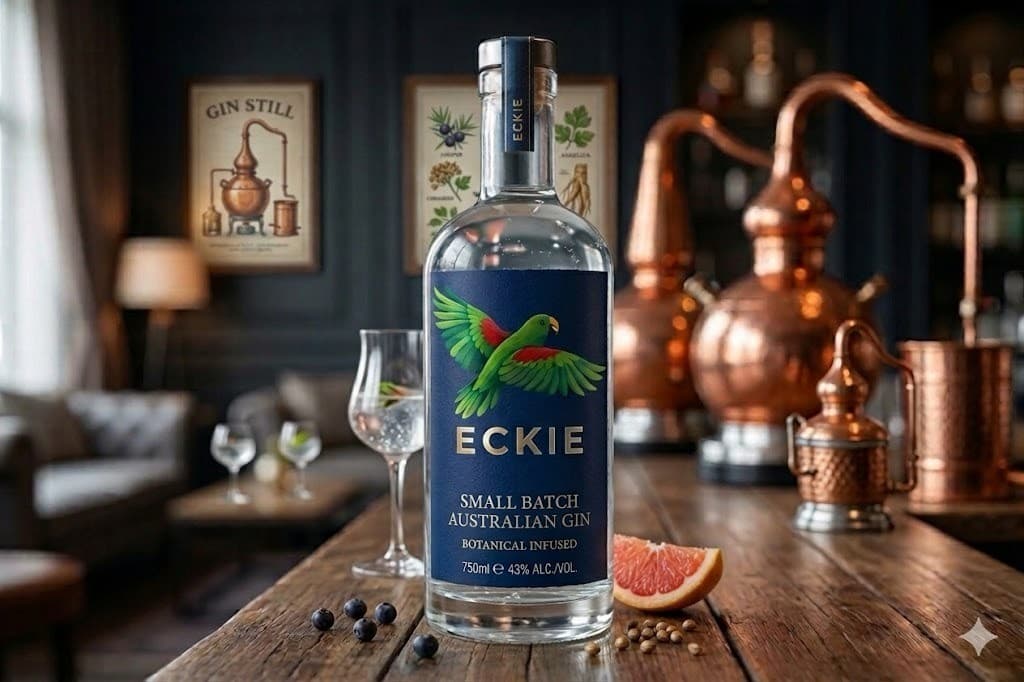
Eckie Australia
Gin
Gin is a distilled spirit defined by juniper and botanicals—flavour-driven, technically precise, and creatively expressive from base spirit through distillation.
What is Gin?
Gin is a distilled spirit defined by its dominant flavour of juniper berries, supported by a carefully selected blend of botanicals. Unlike vodka, which is neutral, gin is a flavour-driven spirit, where aromatic compounds extracted from natural ingredients create a distinctive sensory profile.
By international definition, gin must derive its primary taste from juniper, but beyond this requirement, producers have significant flexibility in selecting additional botanicals. This allows for a wide diversity of styles, ranging from classic London Dry to contemporary craft expressions.
Gin is widely regarded as a technically precise and creatively expressive spirit, balancing science, formulation, and distillation control.
Historical Background of Gin
Gin originated in Europe, with early forms developed in the Netherlands and later refined in England.
The precursor to gin, known as “genever,” was initially created for medicinal purposes, using juniper berries believed to have therapeutic properties. In the 17th century, gin gained popularity in England, particularly during the period known as the “Gin Craze,” when consumption increased dramatically.
Over time, regulatory frameworks and improved distillation techniques transformed gin into a refined product. The development of the London Dry Gin style established benchmarks for quality, including:
- No artificial flavouring after distillation
- Natural botanical extraction
- Clean and balanced profile
Today
Today, gin has experienced a global resurgence, driven by craft distillation and consumer demand for unique flavour experiences.
Raw Materials Used in Gin Production
Gin production is defined by the quality and selection of its raw materials.
1. Neutral Base Spirit
Gin begins with a high-purity neutral spirit, typically derived from wheat, barley, or corn.
This base spirit must be:
- Clean and neutral in flavour
- High in purity (usually >95% ABV before dilution)
- Free from undesirable congeners
Quality of the base
The quality of the base spirit directly affects the clarity and balance of the final product.
2. Juniper Berries
Juniper berries are the defining ingredient of gin.
- Provide piney, resinous, and slightly citrus notes
- Must be the dominant flavour component
- Quality and origin significantly impact aroma
3. Botanicals
Botanicals give gin its complexity and uniqueness.
Common botanicals include:
- Coriander seeds (spice and citrus notes)
- Citrus peels (lemon, orange for brightness)
- Angelica root (earthy balance)
- Orris root (fixative for aromas)
- Cardamom, cinnamon, or pepper (spice layers)
Modern gins
Modern gins may include native or region-specific botanicals to create distinctive profiles.
4. Water
Water is used for dilution and must meet high purity standards:
- Low mineral content
- Neutral taste
- Free from contaminants
Water quality
High-quality water ensures smoothness and clarity in the final gin.
Gin Production Process
Gin production focuses on extracting and balancing botanical compounds.
Base Spirit Preparation
A neutral spirit is produced through fermentation and distillation of grains.
Botanical Infusion
There are two primary methods:
1. Maceration
Botanicals are soaked directly in the spirit, allowing deep extraction of oils and flavours.
2. Vapour Infusion
Alcohol vapours pass through a basket containing botanicals, producing lighter, more delicate aromatic profiles.
Distillation
The infused spirit is redistilled, typically in copper pot stills:
- Enhances flavour integration
- Removes unwanted compounds
- Produces a refined and balanced gin
Dilution and Bottling
The spirit is diluted to bottling strength (typically 37.5–45% ABV) and packaged.
Types of Gin
Gin is categorised into several styles based on production methods and flavour profiles.
London Dry Gin
- No added flavours after distillation
- Crisp, dry, and juniper-forward
- Benchmark for quality
Distilled Gin
- Botanicals added during distillation
- Slight flexibility in production
Compound Gin
- Flavours added after distillation
- Lower production complexity
Contemporary / Craft Gin
- Innovative botanical combinations
- Region-specific flavour profiles
Quality Parameters of Gin
High-quality gin is defined by balance, clarity, and precision.
Botanical Balance
- No single botanical (except juniper) should dominate excessively
- Harmonised flavour profile
Purity
- Clean base spirit
- Absence of off-notes
Consistency
- Reproducible flavour across batches
- Controlled botanical dosing
Distillation Control
- Accurate temperature and pressure management
- Proper separation of fractions
Taste and Aroma Characteristics
Gin is one of the most aromatically complex spirits.
Aroma (Nose)
- Dominant juniper (pine, resin)
- Citrus freshness
- Herbal and spice undertones
Taste (Palate)
- Structured and layered
- Balanced between citrus, spice, and herbal notes
- Medium-bodied
Finish
- Clean and refreshing
- Lingering botanical complexity
- Slight dryness in premium styles
Role of Botanicals in Differentiation
Botanical selection is the primary differentiator in gin production.
Key Functions
- Define flavour identity
- Create brand uniqueness
- Influence aroma intensity and persistence
Innovation Trends
- Use of native botanicals
- Seasonal variations
- Experimental flavour layering
Flexibility
This flexibility allows gin producers to innovate while maintaining core identity.
Influence of Geography and Environment
Geographical factors influence both raw materials and final product quality.
Water Quality
- Impacts dilution and mouthfeel
- High-purity water improves smoothness
Botanical Sourcing
- Climate affects essential oil composition
- Freshness and origin impact aroma
Production Environment
- Clean air and controlled facilities reduce contamination risk
Regions like Tasmania
Regions like Tasmania offer advantages such as:
- Pure water sources
- Access to unique botanicals
- Clean, low-pollution environment
Advantages of Gin
Gin offers several advantages in the global spirits market:
Flavour Diversity
- Wide range of botanical combinations
- Suitable for different consumer preferences
Cocktail Versatility
- Essential base for classic cocktails (e.g., gin & tonic, martini)
- Compatible with various mixers
Innovation Potential
- Continuous product differentiation
- Strong appeal in craft and premium segments
Premium Positioning
- High perceived value
- Growing demand in global markets
Market Trends and Global Demand
Gin has experienced rapid growth globally due to:
- Expansion of craft distilleries
- Consumer interest in unique flavours
- Premiumisation of spirits
Key markets
Key markets include Europe, North America, and Asia-Pacific.
The category continues to evolve, driven by strong demand for premium and origin-based products.
Why Gin Matters
Gin is a technically refined and creatively driven spirit defined by juniper and enhanced by a diverse range of botanicals. From the selection of a high-purity base spirit to precise botanical extraction and controlled distillation, every stage contributes to its final character.
Its complexity, versatility, and innovation potential make gin one of the most dynamic segments in the spirits industry. With increasing global demand and continuous product development, gin remains a key category for both producers and consumers.
GIN is not just a flavoured spirit—it is a carefully engineered balance of nature, chemistry, and craftsmanship.