
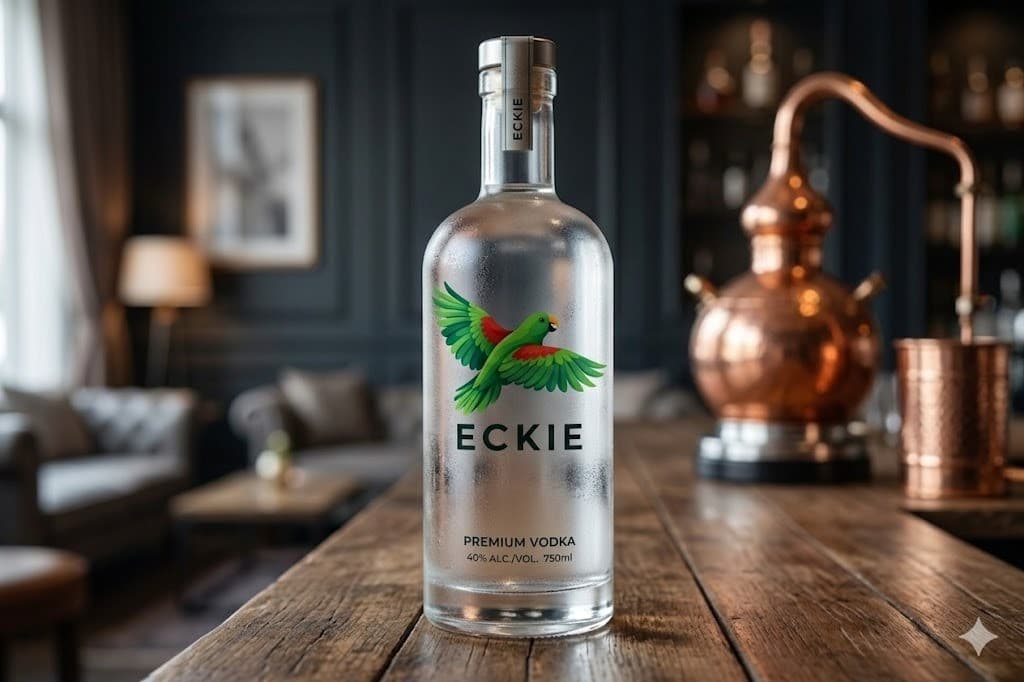
Eckie Australia
Vodka
Vodka is a distilled spirit defined by its purity, neutrality, and smoothness—versatile in cocktails or on its own when texture and finish are dialled in.
What is Vodka?
Vodka is a distilled spirit defined by its purity, neutrality, and smoothness. Unlike more flavour-driven spirits such as whisky or rum, vodka is designed to have a clean, subtle profile, making it one of the most versatile alcohol beverages in the world.
Technically, vodka is produced by fermenting agricultural raw materials—primarily grains or potatoes—followed by multiple distillation and filtration stages to achieve a high level of purity. It is typically bottled at an alcohol content of around 37.5% to 40% ABV, depending on regional regulations.
Vodka is globally recognised for its clarity, consistency, and adaptability, serving both as a standalone drink and as a base for a wide range of cocktails.
Historical Background of Vodka
Vodka has a long and well-documented history, primarily associated with Russia and Poland, where it has been produced and consumed for centuries.
The earliest forms of vodka date back to the 8th–9th century, initially used for medicinal purposes before becoming a staple beverage. Over time, distillation techniques improved, leading to higher purity spirits and more refined production methods.
In the 20th century, vodka gained global popularity due to:
- Its neutral taste profile
- Ease of mixing in cocktails
- Scalability of production
Today
Today, vodka is produced worldwide, including in regions such as Australia, where high-quality raw materials and advanced processing technologies support premium production.
Raw Materials Used in Vodka Production
Vodka can be produced from a variety of fermentable raw materials, but quality is highly dependent on the purity and composition of these inputs.
1. Grains (Wheat, Barley, Rye, Corn)
Grain-based vodka is the most common category.
Premium vodkas often use high-quality wheat due to its clean fermentation profile and consistent performance.
- Wheat: Produces smooth, slightly sweet vodka
- Rye: Adds subtle spice and character
- Barley: Contributes mild grain complexity
- Corn: Often results in a softer mouthfeel
2. Water
Water is the most critical component in vodka, often comprising over 60% of the final product.
Key quality parameters:
- Low dissolved solids
- Absence of contaminants
- Balanced mineral composition
High-purity water
High-purity water ensures:
- Clean taste
- Smooth mouthfeel
- Stable product consistency
3. Yeast
Yeast converts sugars into alcohol during fermentation.
- Selected strains influence fermentation efficiency
- Controlled yeast activity ensures minimal off-flavours
- Produces secondary compounds affecting subtle aroma
4. Alternative Raw Materials
Vodka can also be produced from:
- Potatoes
- Sugar beets
- Grapes
Grain vs. other bases
However, grain-based vodka remains dominant in premium segments due to its cleaner profile.
Vodka Production Process
Vodka production is highly process-driven, with an emphasis on removing impurities while maintaining balance.
Milling and Mashing
Raw materials are ground and mixed with water to convert starch into fermentable sugars.
Fermentation
Yeast is added to produce alcohol, creating a liquid known as “wash” or “beer.”
Distillation
The fermented liquid undergoes multiple distillation stages, often in column stills:
- Increases alcohol concentration
- Removes unwanted compounds
- Produces a neutral spirit
Higher purity
Premium vodka may be distilled several times to achieve higher purity.
Filtration
Filtration is a defining step in vodka production.
This step removes residual impurities and refines texture.
- Activated carbon filtration
- Quartz or silver filtration
- Membrane filtration
Dilution and Bottling
The spirit is diluted with pure water to the desired alcohol level and then bottled.
Quality Parameters of Vodka
Vodka quality is determined by its purity, smoothness, and consistency.
Purity
- Absence of off-flavours and impurities
- Clean, neutral aroma
Smoothness
- Soft mouthfeel
- No harsh burn
Consistency
- Uniform taste across batches
- Stable production process
Raw Material Integrity
- High-quality grains or base materials
- Pure water source
Taste and Aroma Characteristics
Vodka is intentionally subtle, but high-quality vodka exhibits refined sensory traits.
Aroma
- Neutral with faint grain or mineral notes
- Absence of harsh alcohol smell
Taste
- Clean and crisp
- Slight sweetness (especially wheat-based vodka)
- Minimal bitterness
Mouthfeel
- Smooth and silky
- Light to medium body
Finish
- Clean and short to medium
- No lingering harshness
Role of Filtration in Vodka Quality
Filtration is a key differentiator in premium vodka production.
Benefits
- Removes trace impurities
- Enhances clarity
- Improves mouthfeel
Common Media
- Activated carbon (most widely used)
- Silver or platinum filters (premium positioning)
- Natural stone or quartz
Refinement
Advanced filtration contributes significantly to product refinement.
Influence of Geography and Environment
Although vodka is neutral, production location still impacts quality.
Water Source
- High-purity water improves final product quality
- Natural filtration enhances consistency
Raw Material Origin
- Climate influences grain quality
- Soil fertility affects starch composition
Environmental Cleanliness
- Low pollution reduces contamination risk
- Supports high-quality raw materials production
Regions like Tasmania
Regions like Tasmania offer advantages such as:
- Clean environment
- Premium agricultural inputs
- Pure water resources
Advantages of Vodka
Vodka remains one of the most popular spirits globally due to several key advantages:
Versatility
- Used in a wide range of cocktails
- Compatible with multiple flavour profiles
Neutral Profile
- Appeals to a broad consumer base
- Suitable for blending and infusion
Scalability
- Efficient production process
- Consistent quality at scale
Global Acceptance
- Strong presence in all major markets
- Widely recognised and consumed
Market Demand and Global Trends
Vodka continues to dominate global spirits consumption due to:
- Growing cocktail culture
- Demand for premium and ultra-premium products
- Innovation in flavours and packaging
Key markets and premiumisation
Key markets include Europe, North America, and Asia-Pacific.
Premiumisation trends are driving demand for high-purity, origin-based vodka products.
Why Vodka Matters
Vodka is a technically refined spirit defined by purity, precision, and process control. Produced from high-quality raw materials and subjected to multiple distillation and filtration stages, it achieves a level of neutrality and smoothness unmatched by most other spirits.
From grain selection and water quality to distillation efficiency and filtration technology, every stage influences the final product. The result is a spirit that is clean, consistent, and highly versatile.
As global demand continues to grow, vodka remains a cornerstone of the distilled spirits industry—valued for its simplicity, scalability, and universal appeal.
VODKA is not just a neutral spirit—it is a product of engineering discipline, raw material quality, and refined production systems.